Eat Bison. Save Birds
A new scientific study was published two weeks ago in the highly respected academic journal Science, finding that bird populations continue to dramatically decline in North America — with “hotspots of accelerating decline … in regions with high-intensity agriculture (high cropland area, fertilizer use, or pesticide use).”
This, of course, just confirms what common sense already tells us.
When you take a historic grassland ecosystem, plow it up, turn it into a monoculture of corn or soybeans, and then spray the living hell out of it with pesticides — birds, insects, pollinators, and other wild critters are going to suffer.
We love birds and biodiversity here. As such, these findings are upsetting.
But even if you could care less about birds and biodiversity, there’s a “canary in the coal mine” aspect to these findings — telling us that all is not well with how we grow crops in America.
My larger frustration with this stems from the messaging around food.
I think it’s fair to say that the general messaging around food is: “Eating plant-based foods is good for the environment. Eating red meat is bad for the environment.”
You see this over and over from “environmental” organizations and national media outlets.
I’m an avid New York Times reader, and they’re the worst offender.
Just a few weeks ago they published an op-ed praising the virtues of industrial food, and it seems like the editorial team at the Times simply refuses to acknowledge that regenerative ranching exists.
It’s frustrating.
These “environmental” organizations and media companies are on the wrong side of science here, and they have blood on their hands.
When the messaging folks constantly hear is, “Eat plant-based for the environment,” the reality is that most people aren’t going to go and plant a garden.
They’re going to head into the grocery store, want to do the right thing, and they’re going to buy plant-based foods that are marketed as being nature-friendly.
I don’t blame the consumer at all; most people are just trying to do good work, pay the rent, raise the kids, and get dinner on the table after school and work.
They’re not geeking out on the science around food production like I am.
They rely on “environmental” organizations and national media outlets for their information.
And the information they’re receiving is causing great ecological harm.
This is why I had NBB t-shirts made that say, “Save bees and butterflies. Eat grassfed meat.”
Because the science is so clear — our bees, butterflies, insects, and birds are in steep decline due to bad farming practices, which are the backbone of the plant-based industry.
(I like to joke that if you think a vegan or plant-based diet is not killing things — then I have an oceanfront condo in Kansas City that you’re gonna want to take a look at.)
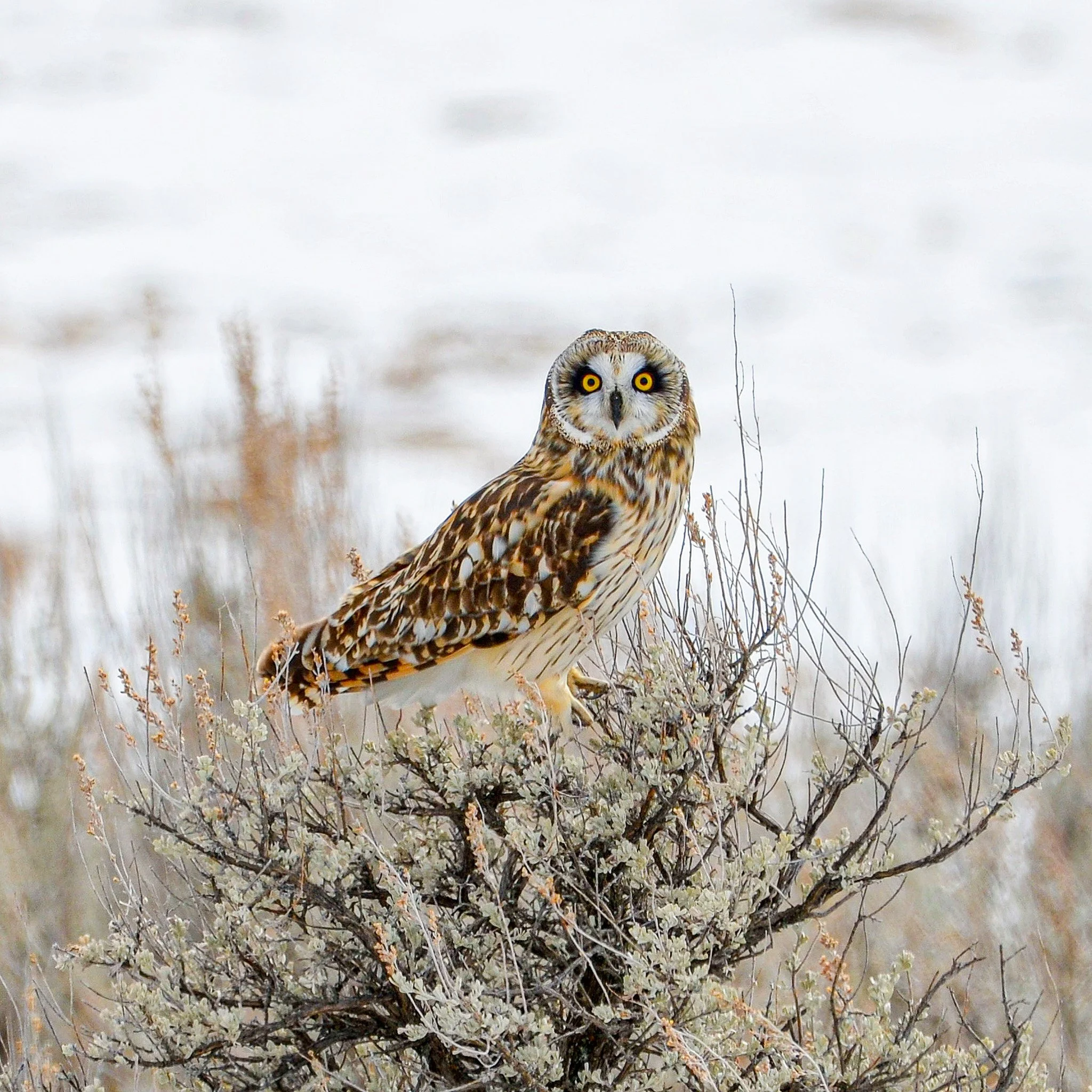
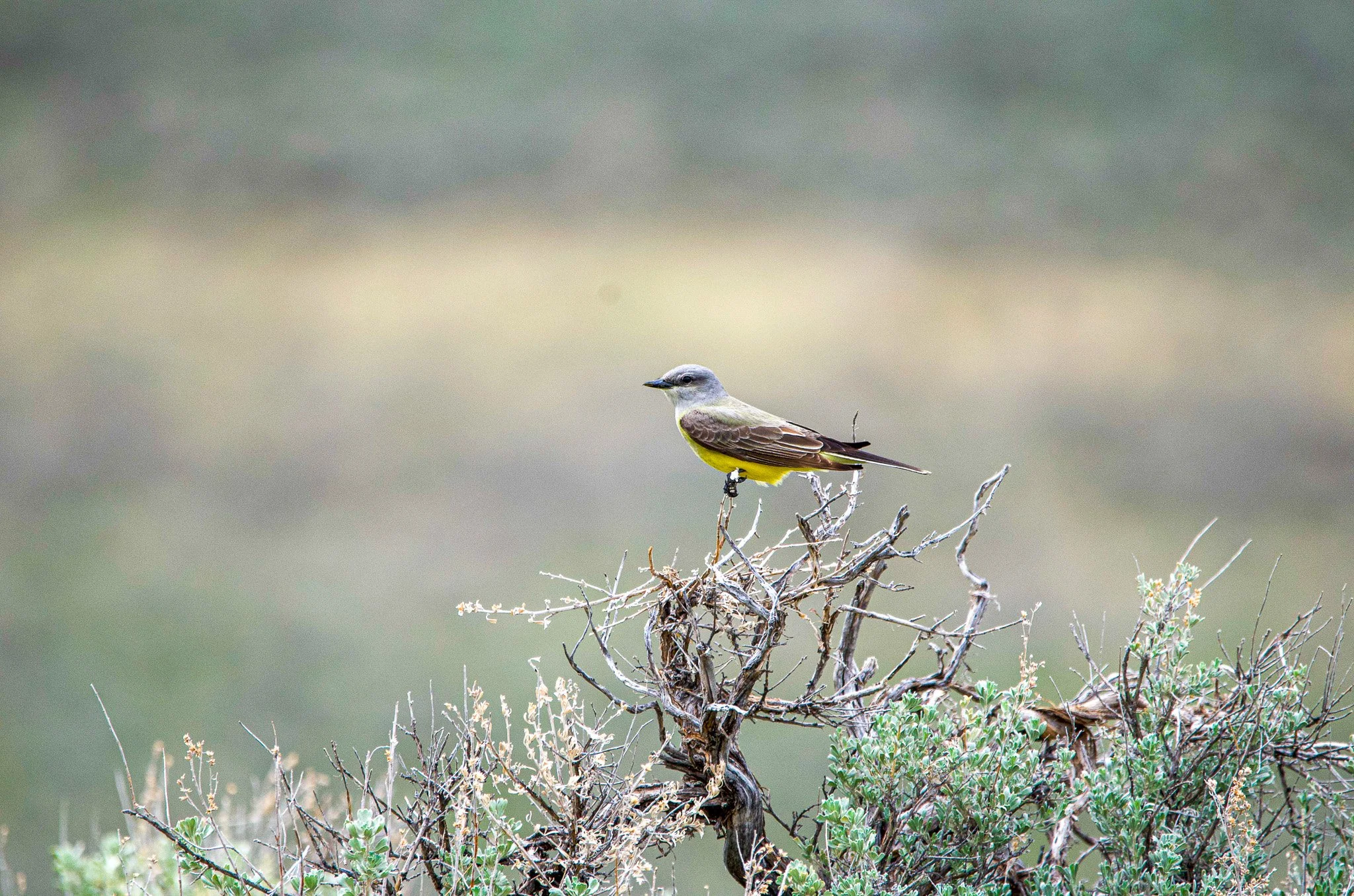
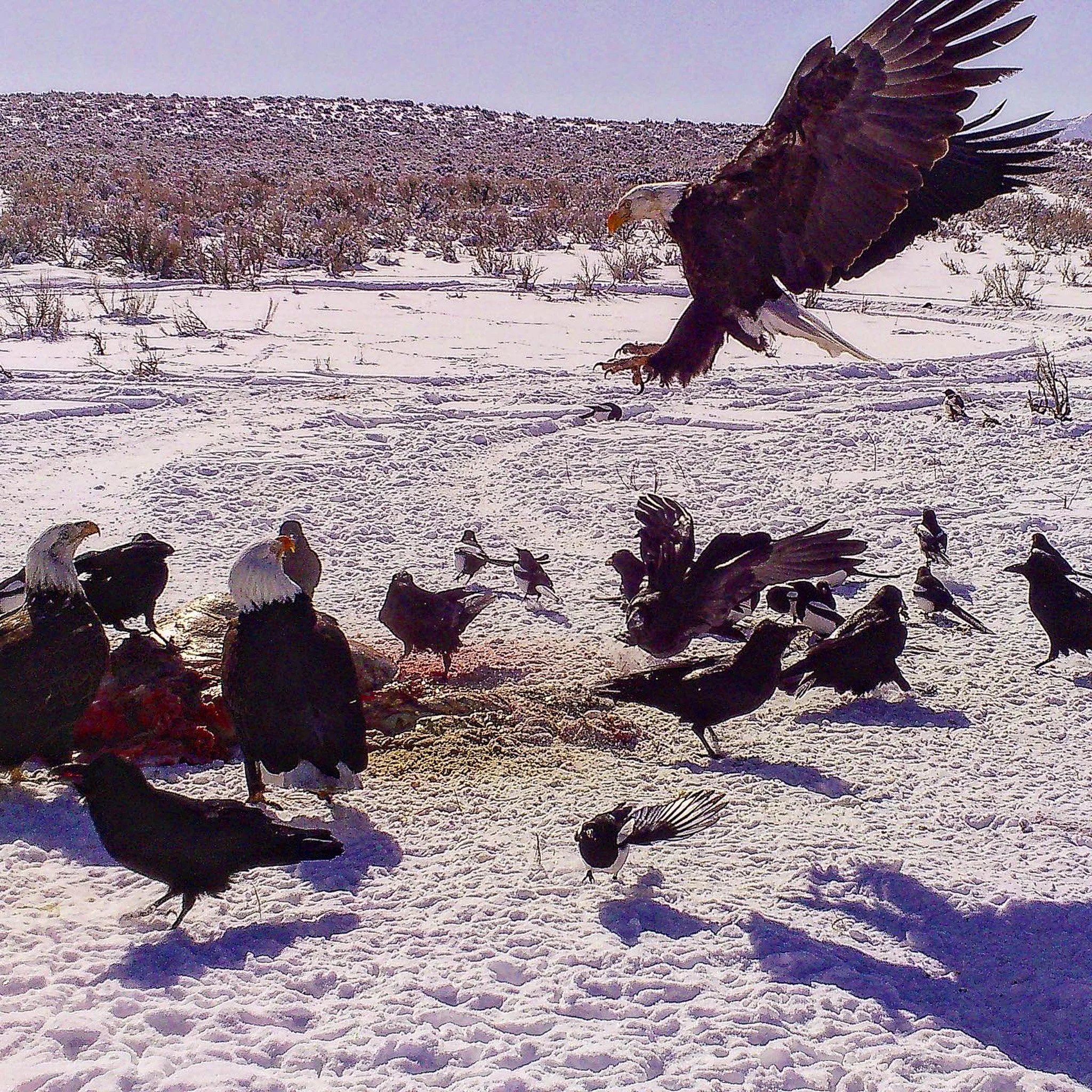
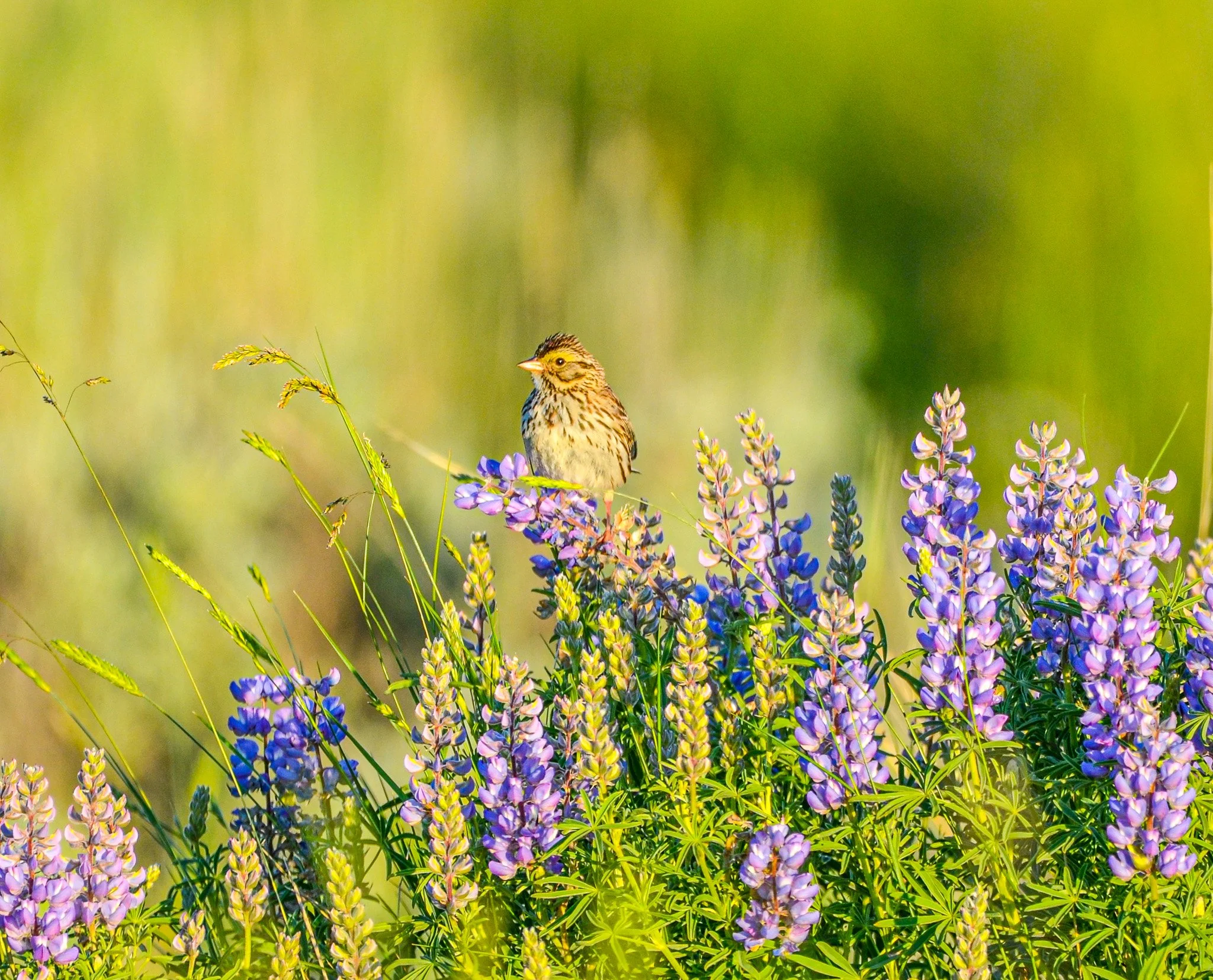
Here on our ranch and our neighbors’ ranches, the landscape is bursting with life.
We raise food on an intact grassland ecosystem, and the result is increased biodiversity.
And that’s why the Audubon Society, the Nature Conservancy, the World Wildlife Fund, and other forward-thinking organizations have recently started prioritizing working closely with ranchers.
(Fun fact — we were the first Audubon certified bird-friendly bison ranch in Montana.)
These groups see the science, which is unequivocal.
If we want to protect birds, we need to protect our grasslands, and the best way to do that is to work with and support ranchers.
Full stop.
— — — — —
I apologize for the long blog post.
I have a deep, wild, radical love for the natural world.
And thus I find all of this extremely frustrating.
As my hero Aldo Leopold wrote in the 1940s, “One of the penalties of an ecological education is that one lives alone in a world of wounds."
Reading about the loss of grasslands and the loss of birds — when a viable alternative (regenerative ranching) exists — hurts my heart.
But you must find hope, which I have in abundance.
Because today is March 17th, and the spring migration has already begun.
As they have for millennia, birds have started heading north, and mornings on the ranch will soon be a loud cacophony of bird sound.
One of my favorite things to do in the spring is walk outside at sunrise with a hot cup of coffee and just listen to the birds.
It stirs the soul, and it gives you hope.
Eat bison. Save birds.
Thanks for reading.
— Matt